Clinical Evidence
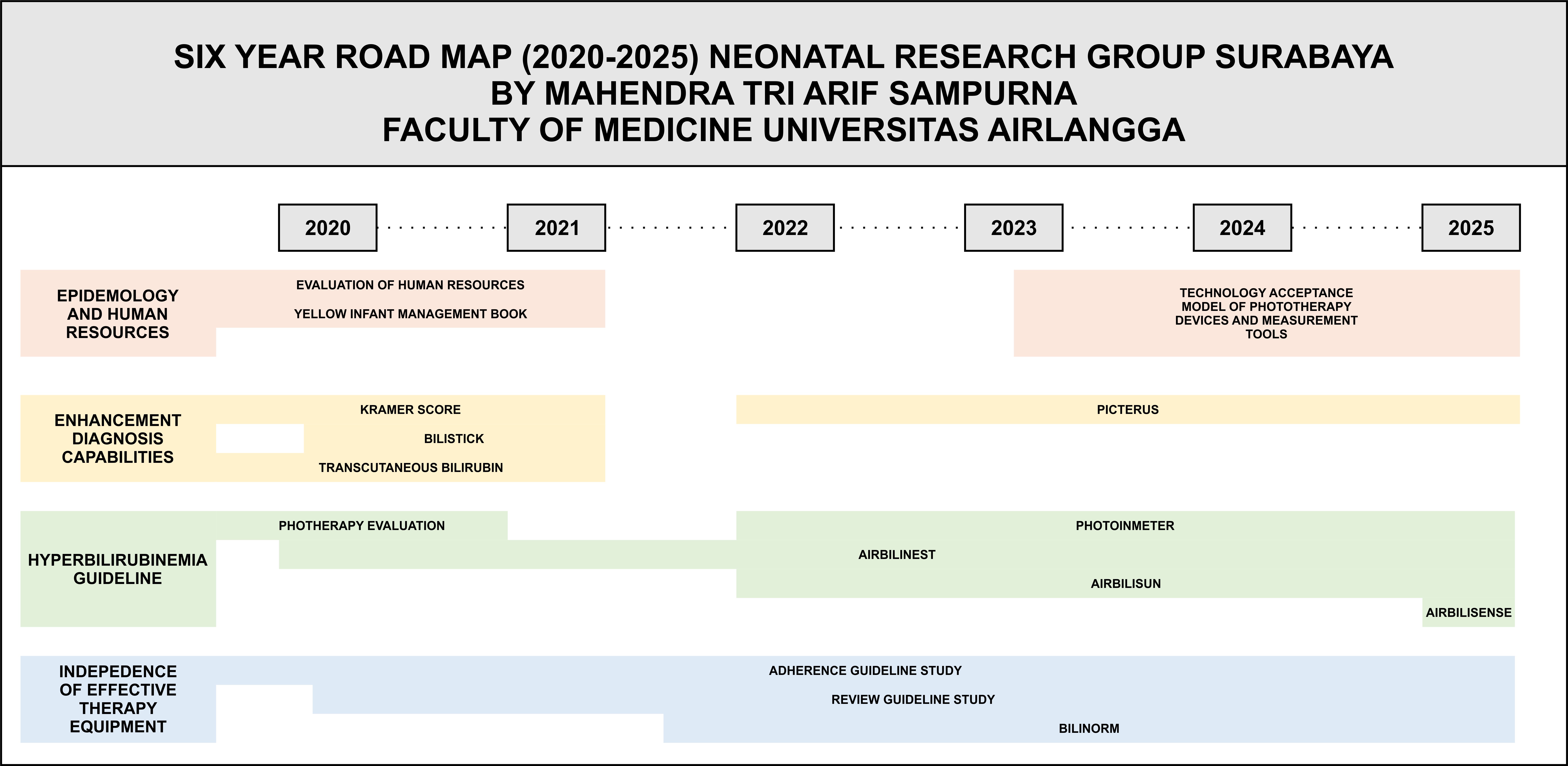
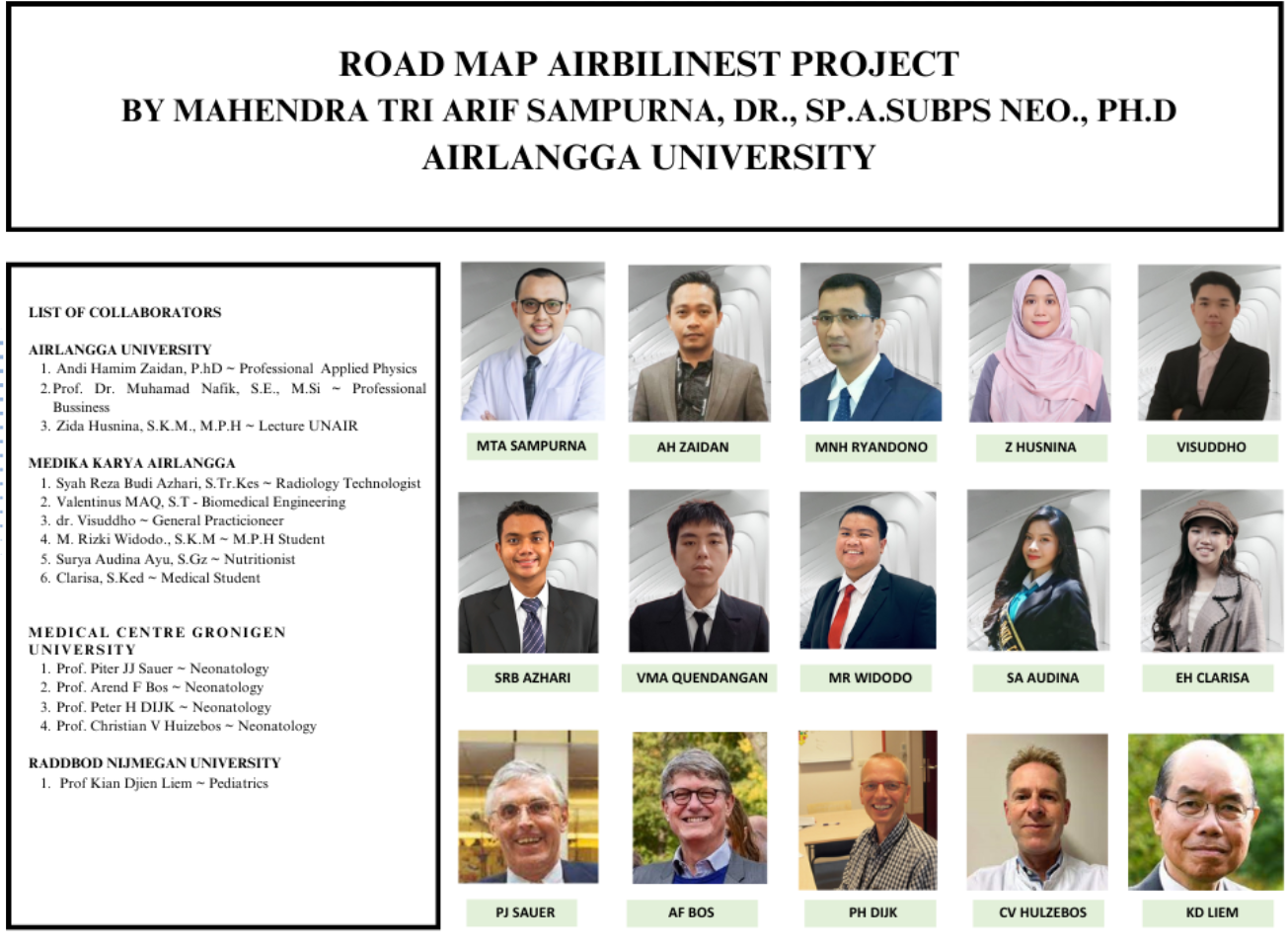
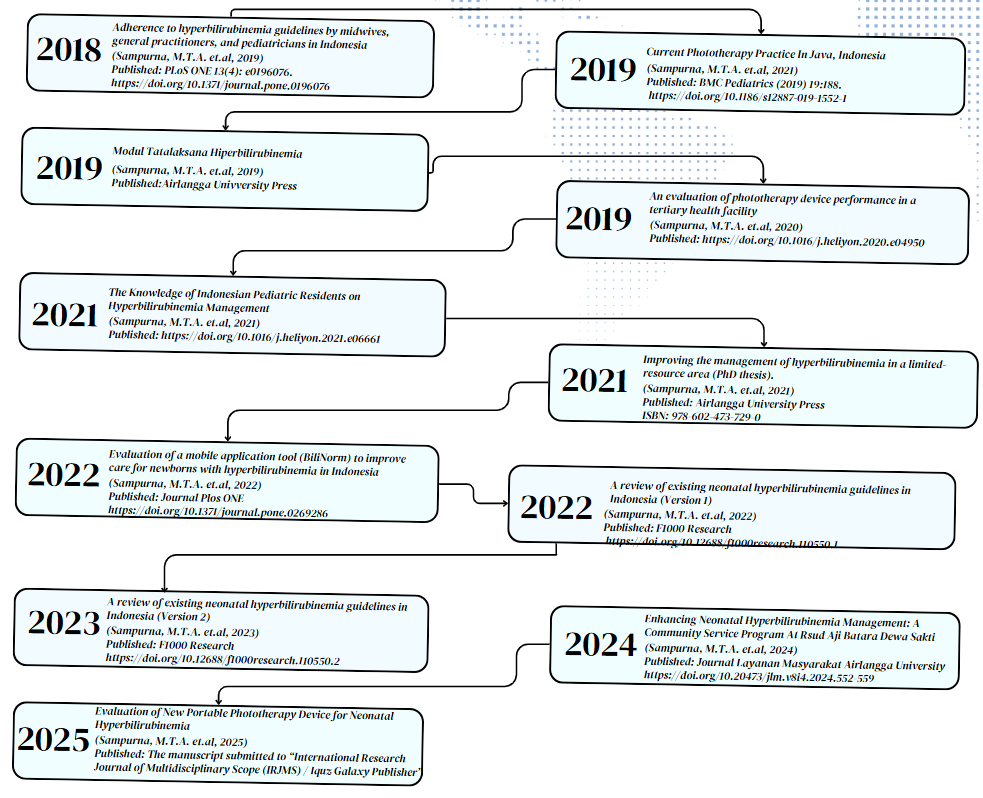
The Airlangga Bilirubin Nesting (AirBiliNest) is a novel portable phototherapy device developed by integrating blue monochromatic LEDs into a sleeping bag model, it enables safe light delivery while allowing parental bonding and uninterrupted breastfeeding. This study aimed to evaluate the device’s thermal regulation, irradiance output, and irradiance decay over time, as well as to assess acceptance and usability among healthcare providers
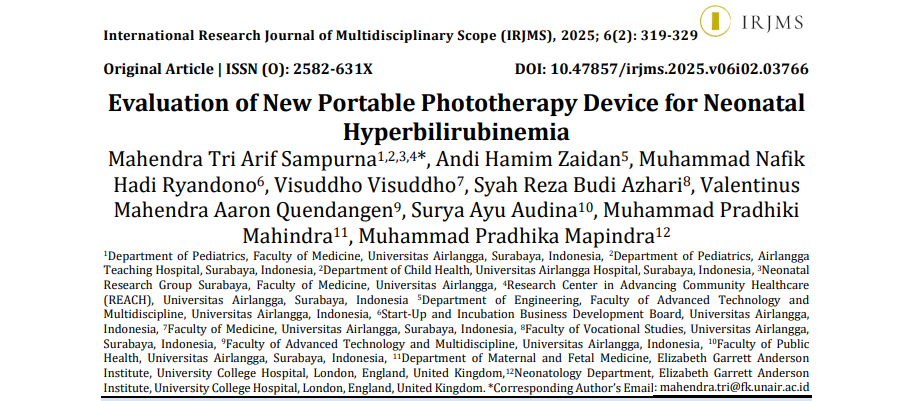
This study details an intervention through a community service conducted at the Regional General Hospital Aji Batara Agung Dewa Sakti, focusing on the improvement of healthcare professional’s skills in managing neonatal hyperbilirubinemia.
Severe hyperbilirubinemia is more frequent in low- and middle-income countries such as Indonesia than in high-income countries. One of the contributing factors might be the lack of adherence to existing guidelines on the diagnosis and treatment of hyperbilirubinemia. We developed a new national guideline for hyperbilirubinemia management in Indonesia. To help healthcare workers use this guideline, a web-based decision support tool application may improve both the adherence to the guideline and the care for infants with hyperbilirubinemia.
 to improve care for newborns with hyperbilirubinemia in Indonesia.png)
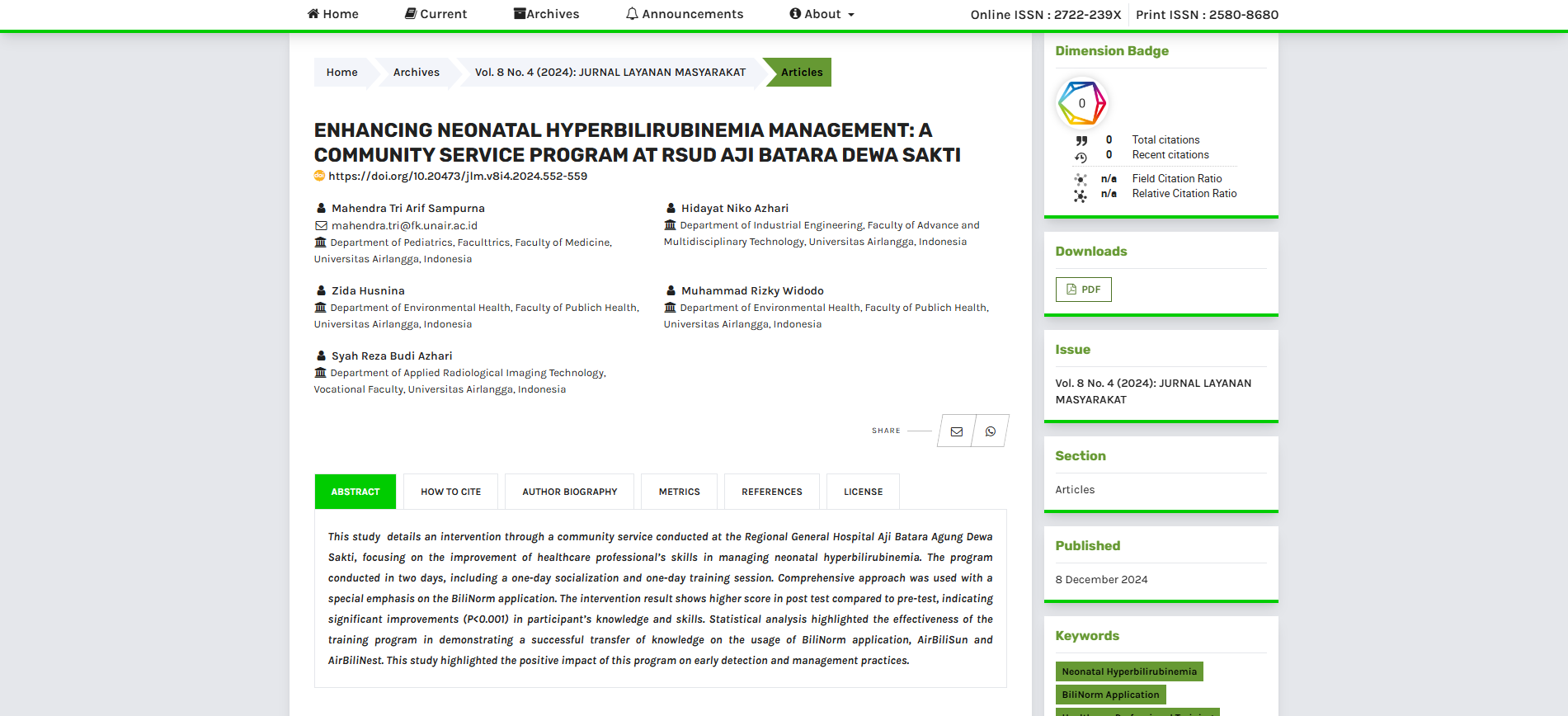
Recently, the Bilistick®, a point-of-care instrument to measure bilirubin levels, has been developed. It is fast and cheaper than transcutaneous bilirubin (TCB)-measuring devices, but data on diagnostic properties are scarce.
Hyperbilirubinemia in the newborn occurs more frequently in Indonesia. Therefore, it is important that pediatric residents in Indonesia acquire adequate knowledge of hyperbilirubinemia management. This study aims to determine the pediatric residents' knowledge on hyperbilirubinemia management, whether they follow recommended guidelines, and whether differences exist between five large Indonesian teaching hospitals.
Hyperbilirubinemia commonly occurs in neonates, with a higher prevalence among preterm neonates, which can lead to severe hyperbilirubinemia. Assessment of total serum bilirubin (TSB) and the use of transcutaneous bilirubinometry (TcB) are existing methods which can identify and predict hyperbilirubinemia. This study aimed to determine TcB cut-off values during the first day for preterm neonates, in order to predict hyperbilirubinemia at 48 and 72 hours.
In Indonesia, the burden of severe hyperbilirubinemia is higher compared to other countries. Whether this is related to ineffective phototherapy (PT) is unknown. The aim of this study is to investigate the performance of phototherapy devices in hospitals on Java, Indonesia.
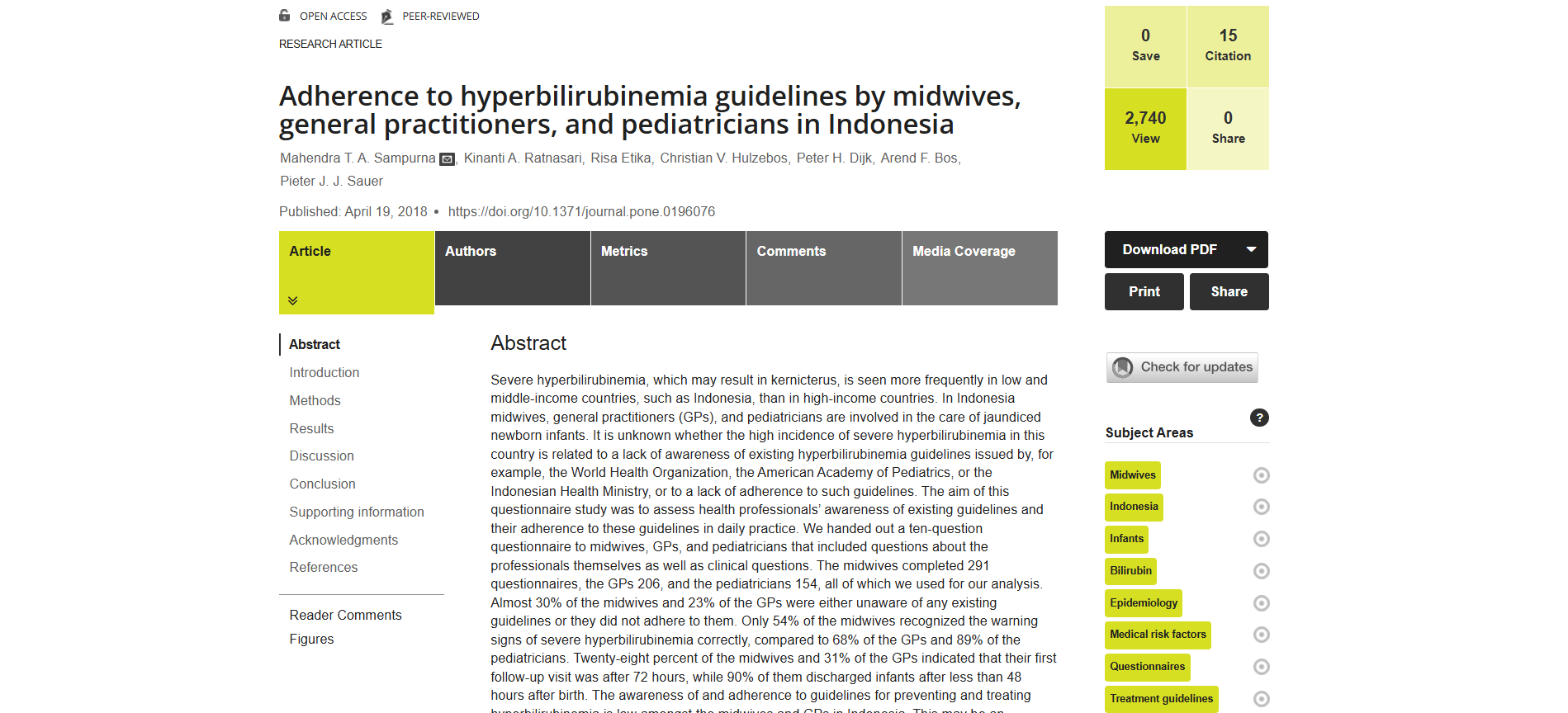
Severe hyperbilirubinemia, which may result in kernicterus, is seen more frequently in low and middle-income countries, such as Indonesia, than in high-income countries. In Indonesia midwives, general practitioners (GPs), and pediatricians are involved in the care of jaundiced newborn infants. It is unknown whether the high incidence of severe hyperbilirubinemia in this country is related to a lack of awareness of existing hyperbilirubinemia guidelines issued by, for example, the World Health Organization, the American Academy of Pediatrics, or the Indonesian Health Ministry, or to a lack of adherence to such guidelines.